Joshua Wilwohl (will-WALL)
wilwohl [at] gmail [dot] com
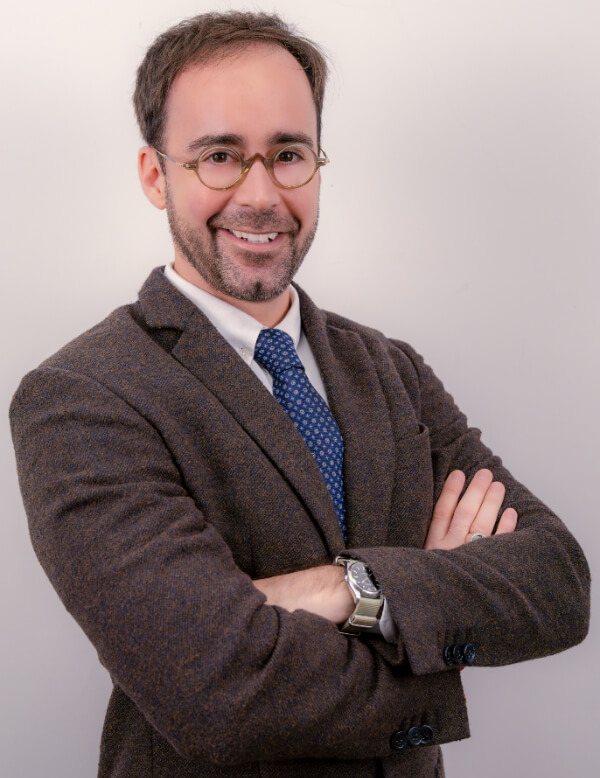
I'm an assistant professor at the American University of Phnom Penh (AUPP).
I study how people use language to negotiate their place in the world.
My teaching and research focus on English in Cambodia. (Here's what students had to say.)
My work addresses questions of what counts as acceptable language and how such judgments shape identity, which is fundamental to understanding global Englishes.
I apply these insights across real-world contexts through the design of communication systems, including a patented navigation technology.
Before joining AUPP, I was on faculty at the Metropolitan College of New York.
I'm a doctoral student, specializing in English pedagogy, with a BA, MPA, MA, and PgDip. I'm also a Fellow of the Higher Education Academy (FHEA) in the UK.
Courses
- ICT 375: Digital Linguistics and Discourse (Fall 2026)
Survey technology's relationship with language—human and machine-generated—by examining how words influence people's decisions and experiences. Also, investigate the evolution of internet slang, discover the limitations of emojis, and, through practice, craft usable text. By the course's end, be able to recognize, compare, and evaluate how language smooths navigation, enhances satisfaction, and sways behavior.
- COMM 103: Oral Communication (Fall 2026)
From composition to delivery, gain real-world communication skills through practice in public speaking and group interaction.
- HUMN 110: Arts and Culture (Fall 2026)
Build cultural fluency by analyzing the impact of culture on the creation and consumption of art. Study diverse artistic expressions from both Western and non-Western traditions, with attention given to Cambodian art and its role in global contexts, including the dynamics of art crime.
- HUMN 101: Introduction to Humanities (Fall 2026)
Develop critical thinking skills by investigating major themes across the arts. Study how human creativity shapes—and is shaped—by technology and business, proving a need for the Humanities today.
Student Feedback
-
"His class is Art, and Art is working. I became more human in this course." - HUMN 110: Arts and Culture
-
"I love this class.... This class openly allows students to cooperate and engage a lot with each other, which I found very inspiring and positive." - HUMN 110: Arts and Culture
-
"This is one of the most interesting classes I have ever taken. He doesn't force us to remember something that he knows we will forget after the exam or after the semester. Instead, he teaches us something very useful, like critical thinking...creativity, and learning to observe, not see." - HUMN 101: Introduction to Humanities
Research
- The Fluidity of Writer Identity with Artificial Intelligence
The traditional, formal ways of composition are morphing into informal user-generated content, blurring the lines between human and non-human authorship. As a result, a single question arises within writing pedagogy, "Who is a writer?" The answer is murky, especially when the composer is made of gears and wires, but relies on flesh and blood for a prompt to awaken the bots.
- Survey: Cambodian English Variation Emerging Among University Students
Little research has been done on the topic of Cambodian English, despite the rapid advancements in language learning and acquisition. The results of a linguistic diversity survey conducted among Cambodian university students enrolled at one of the country's leading academic institutions suggest advancements in the population's English language abilities and hints at the emergence of what could be called "Transitional Cambodian English."
- Survey: Favorable Attitude Among Students Toward Cambodian English Variety
The results of a survey on language attitudes conducted among Cambodian university students at one of the country's leading institutions suggests a favorable attitude toward the Cambodian English variety known as Transitional Cambodian English, hinting at a growing positive trend among Generation Z valuing non-native Englishes.
Conference Presentations
- 'It shapes how we speak.' Digital Standards and the Possible Struggle for Linguistic Identity in Cambodian University Students
This keynote address at the Third International Conference of the English Language Center (2026), Ming Chuan University, Taiwan, outlines a two-year study examining how Cambodian university students use English and translanguaging practices in digital spaces—revealing emerging hybrid linguistic patterns associated with identity negotiation and communication—while exploring how AI-powered writing tools may shape how these language practices are expressed, evaluated, and recognized within English-medium higher education.
- Cambodian English, a Timeline
As displayed at CamTESOL (2026), Institute of Technology of Cambodia, this timeline maps the transition of English in Cambodia from a classroom-based foreign language to a practical communication tool.
- Online Identities: Cambodian Students' Translanguaging Practices
Reported at AsiaTEFL (2025), The Education University of Hong Kong, on how Cambodian university students blend English, Khmer, and romanized Khmer (Sing/Signe-Khmer) in digital spaces to construct hybrid identities and subvert traditional language norms.
- Transitional Cambodian English (TCE): An Emerging Standard Variation?
Shared research findings at CamTESOL (2025), Institute of Technology of Cambodia, on the characteristics of a developing Cambodian English variation and its potential to influence national identity, educational practices, and language policy.
- Language Matters: The Value of Words in Design
Led a workshop at Design Matters (2024), Denmark, guiding participants through writing and design activities to demonstrate how language shapes user behavior.
- Starting from Scratch—Going Digital in the Developing World (PDF)
Detailed at Digital Journalism World (2015) and Interactive Digital News Design (2014), Singapore, the transition of Cambodia's news industry for a mobile-only population, including development of a distributed newsroom and a paywall for a cash economy.
Patents
-
Dashboard
Researched user language patterns to develop a navigation system (U.S. Patent 11,024,173) that informed the design of a mobile event app for global car brands.

Creative Writings
-
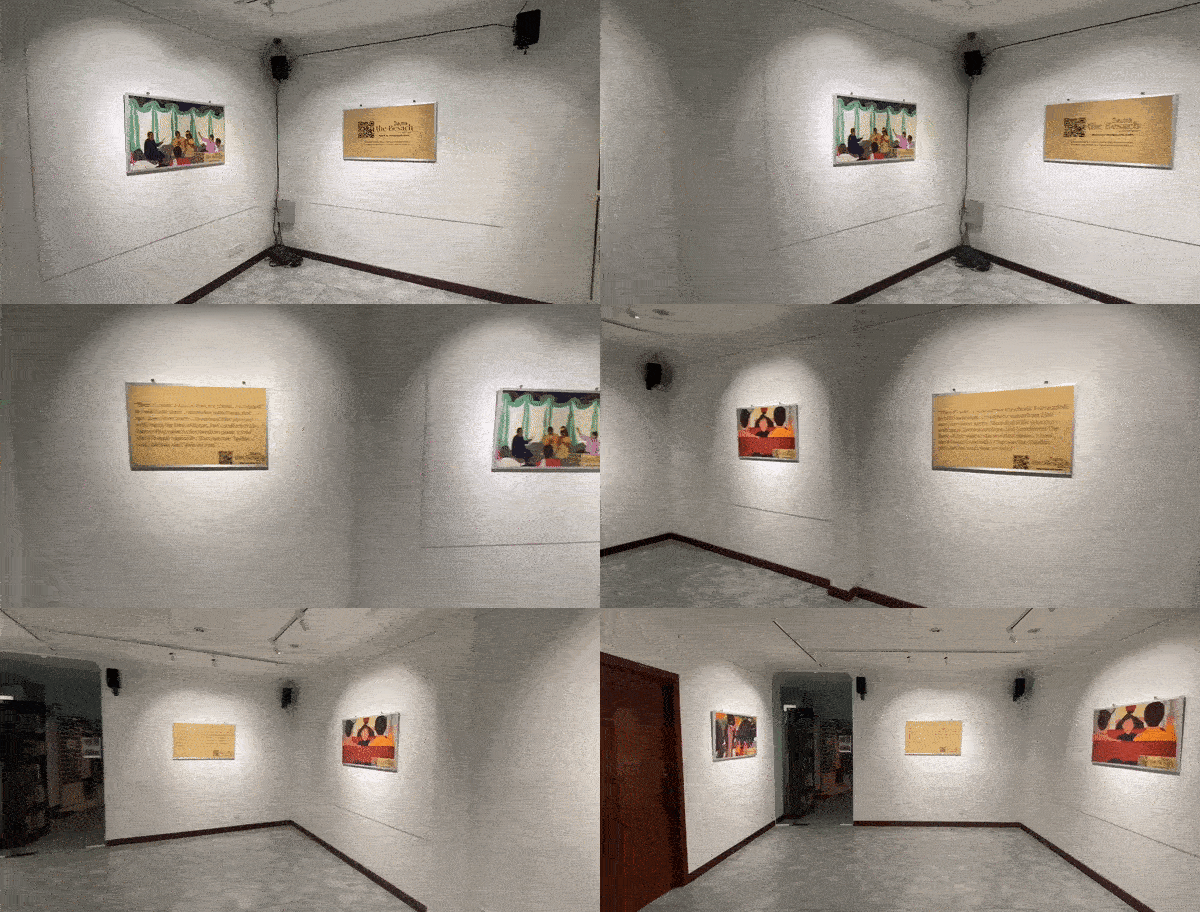
the Besach
Crafted and exhibited an original Cambodian fairytale at Meta House Phnom Penh, using a hybrid storytelling approach by combining physical display panels with QR codes to build an interactive experience for readers.
- Meeting Medeleev
Published a short story about my real-life experience with a Russian fugitive on a Cambodian island in the Mekong Review, a literary magazine.
-
Azurite's All Right
Authored a children's book intended to help explain preterm birth and its impact on the family.
Portfolios
- Teaching (PDF)
Assessment and activities, with rationales.
- User Experience (UX) Writing (PDF)
Text-based work on digital products.